
Tips for Parents: Navigating Cub Scouts Activities

Getting involved in Cub Scouts can be an exciting journey for both parents and children. As a parent, you want to ensure that your child has a fulfilling experience while also managing your own time and commitments. This blog post will provide you with practical tips to help you navigate Cub Scouts activities effectively.
Cub Scouts is not just about earning badges; it is about building character, learning new skills, and making lasting friendships. With the right approach, you can make the most of this experience for your child and your family.
Understanding the Cub Scouts Program
Before diving into activities, it is essential to understand what Cub Scouts is all about. The program is designed for boys and girls aged 5 to 10, focusing on fun, adventure, and personal growth.
Cub Scouts is divided into different ranks, each with its own set of requirements and activities. These ranks include:
Lion: For kindergarteners
Tiger: For first graders
Wolf: For second graders
Bear: For third graders
Webelos: For fourth and fifth graders
Each rank has specific achievements that Scouts must complete to earn badges. Understanding these ranks will help you support your child in their journey.
Getting Involved
One of the best ways to support your child in Cub Scouts is to get involved. Here are some ways you can participate:
Attend Meetings: Make it a priority to attend weekly meetings. This shows your child that you care about their activities and helps you stay informed.
Volunteer: Many packs need parents to help with planning and organizing events. Your involvement can make a significant difference.
Communicate: Stay in touch with the leaders and other parents. This will help you stay updated on upcoming events and activities.
Getting involved not only benefits your child but also allows you to connect with other parents and build a community.
Planning for Activities
Cub Scouts offers a variety of activities, from camping trips to community service projects. Here are some tips for planning:
Check the Calendar: Most packs have a calendar of events. Review it regularly to plan ahead.
Pack Essentials: For outdoor activities, ensure your child has the necessary gear. This may include a sleeping bag, flashlight, and appropriate clothing.
Prepare for Bad Weather: Always have a backup plan in case of rain or other inclement weather.
Planning ahead will help you avoid last-minute stress and ensure your child has a great time.
Balancing Commitments
As a parent, balancing Cub Scouts with other commitments can be challenging. Here are some strategies to help:
Set Priorities: Determine which activities are most important for your family. This will help you decide where to focus your time.
Create a Schedule: Use a family calendar to keep track of Cub Scouts events alongside other commitments.
Be Flexible: Sometimes, things do not go as planned. Be prepared to adjust your schedule when necessary.
Finding the right balance will help you manage your time effectively while still supporting your child.
Encouraging Your Child
Encouragement is key to your child's success in Cub Scouts. Here are some ways to motivate them:
Celebrate Achievements: Acknowledge your child's accomplishments, no matter how small. This will boost their confidence.
Be Involved in Projects: Help your child with their projects and activities. This can be a fun bonding experience.
Encourage Friendships: Help your child build friendships with their fellow Scouts. This will make the experience more enjoyable.
Your support can make a significant difference in your child's enthusiasm for Cub Scouts.
Navigating Challenges
Like any program, Cub Scouts can come with its challenges. Here are some common issues and how to address them:
Time Management: If your child feels overwhelmed, talk to them about their commitments. Help them prioritize their activities.
Social Dynamics: If your child struggles to make friends, encourage them to reach out to others. You can also arrange playdates outside of meetings.
Skill Levels: Every child progresses at their own pace. Encourage your child to do their best without comparing themselves to others.
Addressing challenges head-on will help your child have a more positive experience.
Making the Most of Events
Cub Scouts hosts various events throughout the year, from campouts to community service. Here are some tips to maximize these experiences:
Participate Actively: Encourage your child to engage fully in events. This will help them learn and grow.
Document the Experience: Take photos and keep a scrapbook of your child's achievements. This can be a great way to reflect on their journey.
Share Stories: After events, discuss what your child enjoyed most. This can help reinforce their learning and excitement.
Making the most of events will create lasting memories for both you and your child.
Building Lifelong Skills
Cub Scouts is not just about fun; it also teaches valuable life skills. Here are some skills your child can develop:
Teamwork: Working with others is a key component of Cub Scouts. Your child will learn how to collaborate and communicate effectively.
Leadership: As they progress, your child will have opportunities to take on leadership roles. This will help them build confidence and responsibility.
Problem-Solving: Many activities require critical thinking and creativity. Your child will learn how to approach challenges with a positive mindset.
These skills will benefit your child long after they leave Cub Scouts.
Connecting with Other Parents
Building relationships with other parents can enhance your Cub Scouts experience. Here are some ways to connect:
Attend Parent Meetings: Many packs hold meetings for parents. This is a great opportunity to share ideas and concerns.
Join Online Groups: Many Cub Scout packs have online forums or social media groups. These can be useful for sharing information and resources.
Organize Social Events: Consider organizing social gatherings for parents and Scouts. This can help build a sense of community.
Connecting with other parents can provide support and make the experience more enjoyable.
Embracing the Journey
Cub Scouts is a journey filled with adventure, learning, and growth. As a parent, your involvement can make a significant difference in your child's experience.
By understanding the program, getting involved, and supporting your child, you can help them thrive in Cub Scouts. Remember to celebrate their achievements, navigate challenges together, and enjoy the journey.
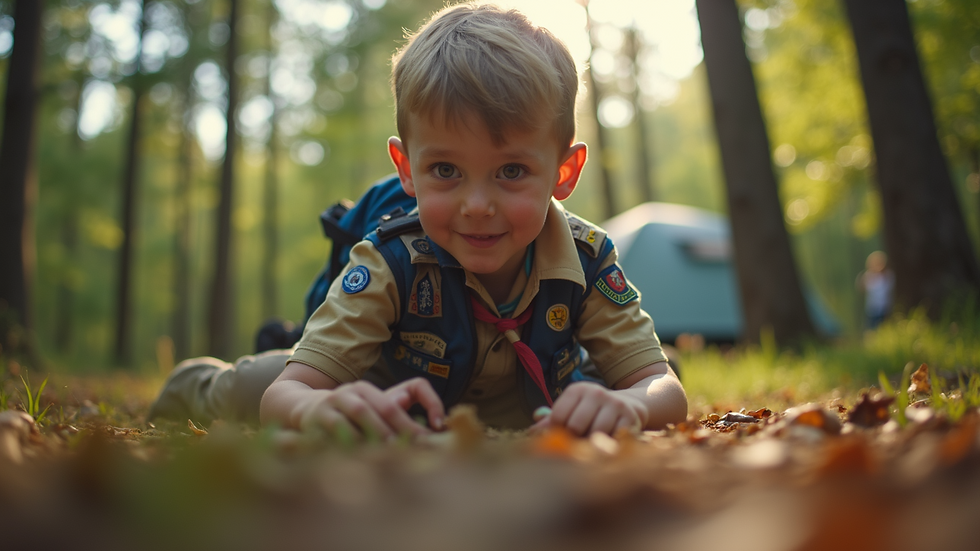
As you embark on this adventure, keep in mind that the memories you create together will last a lifetime. Embrace the journey, and watch your child grow into a confident and capable individual.


Comments